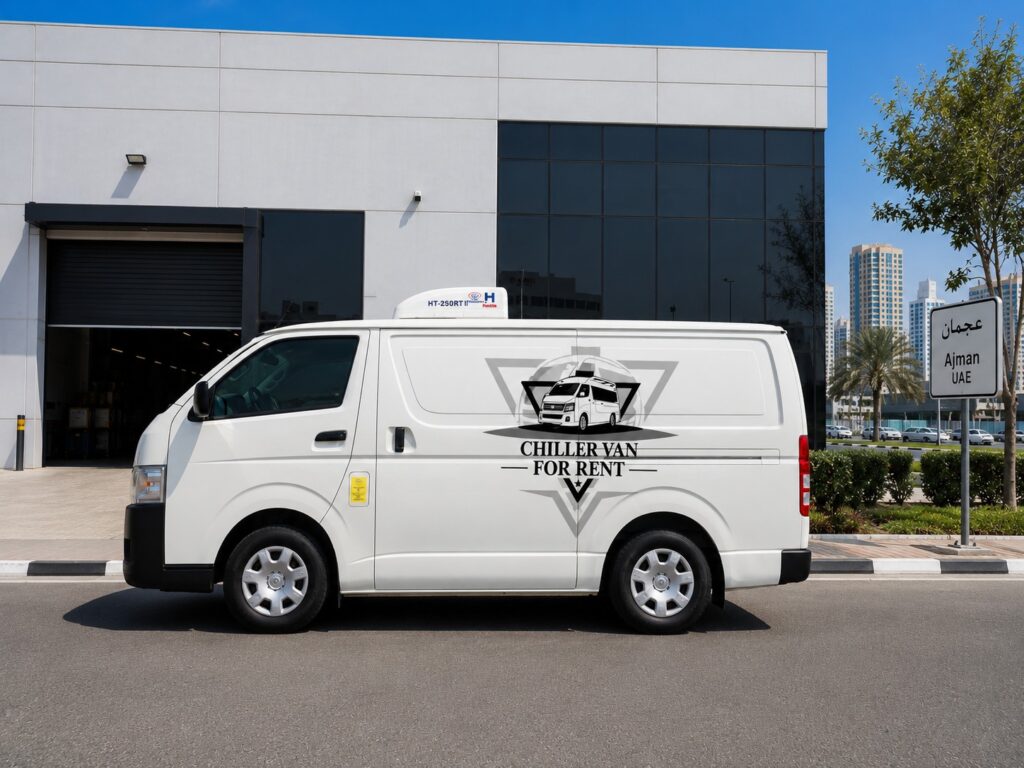
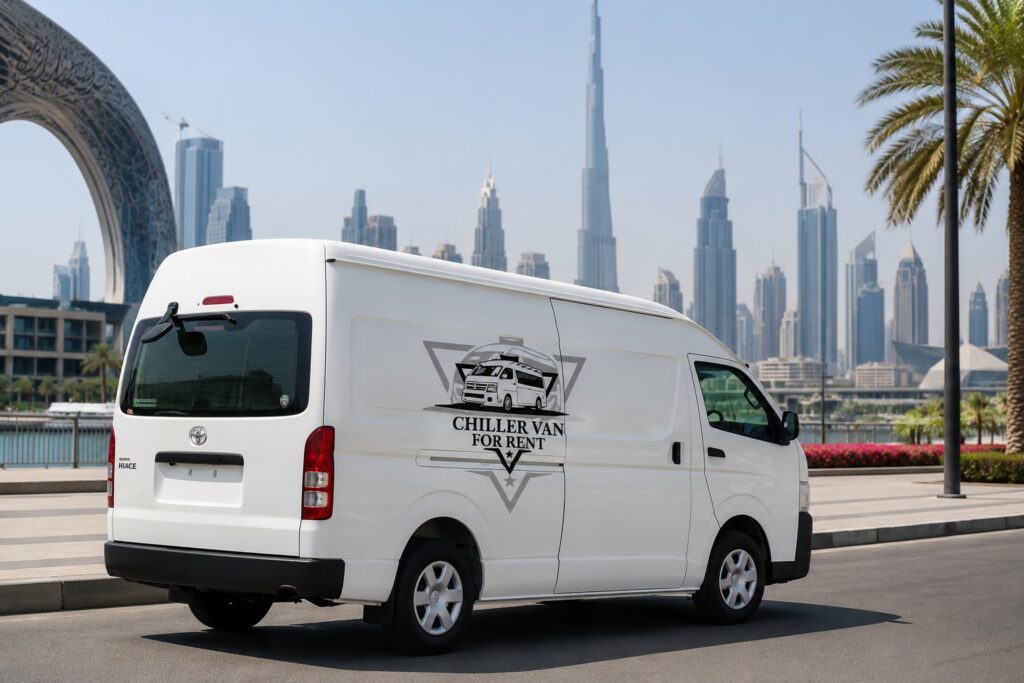
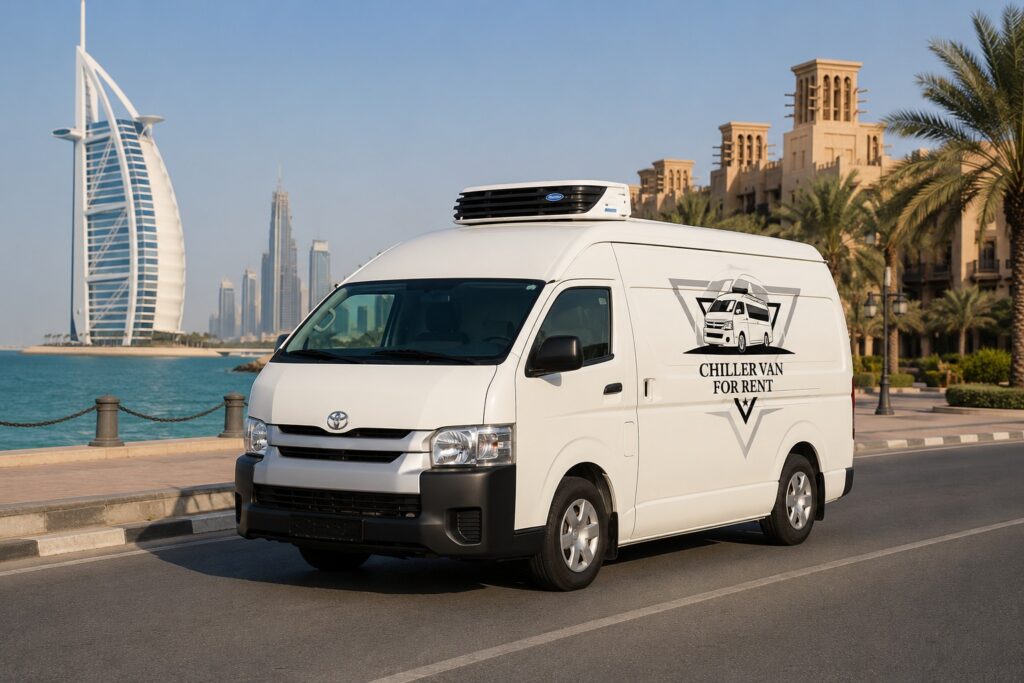
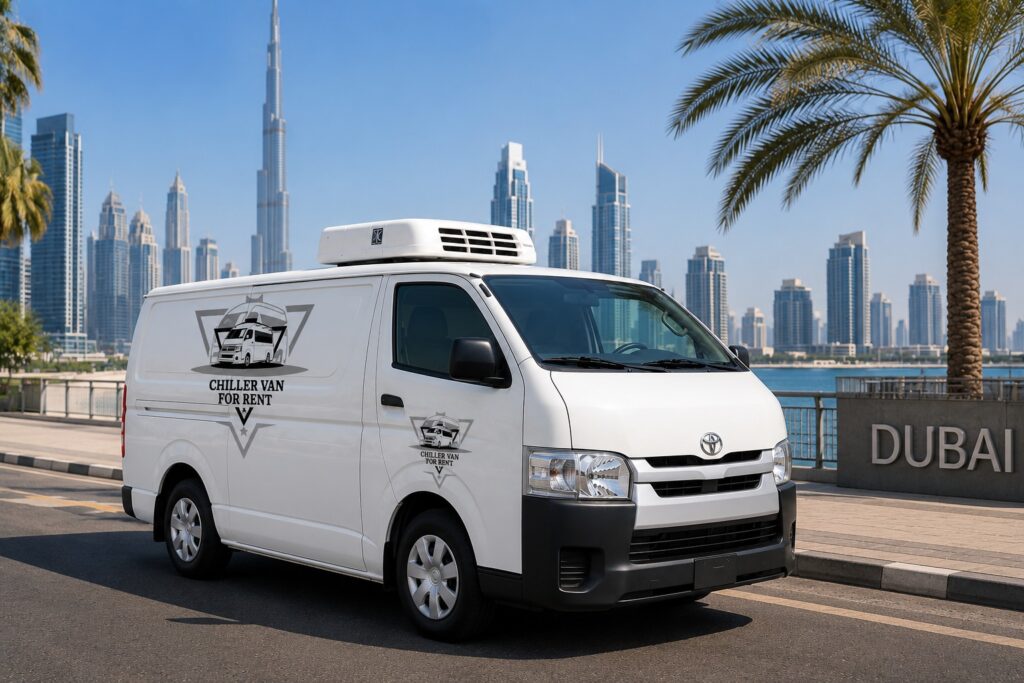
A freezer van is an insulated, mechanically refrigerated vehicle built to hold -18°C or below from pickup to drop-off. That figure isn’t a rounded-off guess — it’s the internationally recognised threshold at which most bacterial and enzymatic activity in food effectively stops, which is why it’s the standard holding temperature for frozen meat, seafood, ice cream and bakery products moving through a commercial cold chain.
A freezer van uses thicker insulation panels and a stronger compressor than a chiller van, because pulling heat out of a cabin down to -18°C — and keeping it there through door-open cycles on a multi-stop route — takes considerably more sustained cooling capacity than holding a chiller van at 2°C to 8°C.
What actually happens when the door opens on a delivery run
This is the part most first-time renters don’t ask about, but it’s the one that determines whether frozen stock arrives solid or partially thawed. Every time the rear door opens, warm air enters and the cabin surface temperature rises briefly — but the cargo itself, once fully frozen, has enough thermal mass to hold its core temperature through short, well-managed stops. Problems start when goods are loaded only partially frozen, when door-open windows run long, or when the van is packed so tightly that cold air can’t circulate around the load.
That’s the difference eleven years of running this fleet has taught us: a freezer van rental is only as good as how it’s loaded. We brief every renter on load-in practice before handover, and our drivers are trained to plan multi-stop routes so the shortest, most time-sensitive drops happen last, not first.